


 Help Center
 How to get help


October 22, 2026
Partoo’s Local Pack now appears in Google search results
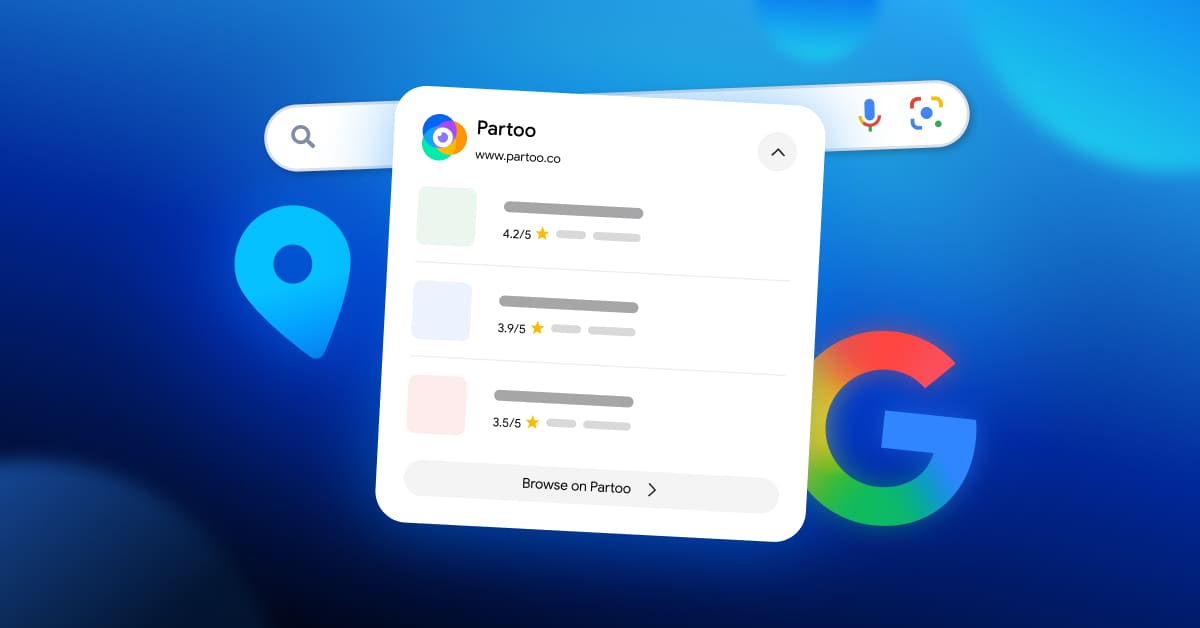
Since 18 September 2026, Google has been displaying Partoo’s Local Pack for many local searches…


Powered by Jim

 Written by Partoo
Table of contents
A satisfaction survey sent at the right moment gets a higher response rate and more reliable feedback. Send it too early, too late, or too often, and it goes unnoticed — or worse, irritates the recipient — making the data it generates hard to act on.
Timing, then, isn’t a logistical detail: it’s one of the key factors that determines whether your survey actually does its job. Here are 4 best practices to help you nail the timing and maximise the impact of your satisfaction surveys.
A customer remembers precisely what they’ve just been through — far less so what happened last week. That’s the first rule to follow: the shorter the gap between the experience and the survey, the more accurate and representative the response will be.
In practice, that means:
A questionnaire sent three weeks after an in-store visit no longer measures the quality of the welcome or the service — it measures what’s left of the memory, which is a different kind of data and often a less useful one.
Turn customer satisfaction into a lever to boost your performance!
An all-in-one tool that allows you to:
A customer who receives a survey after every interaction with a brand will eventually stop responding altogether — or start filling them in hastily, without giving it much thought. This survey fatigue, one of the main drivers of falling response rates, builds up gradually as requests accumulate.
Two levers help keep it in check:
Worth noting
Multi-location networks have every reason to coordinate these sends centrally. Without a clear framework, a customer can receive several different surveys from the same brand within a matter of days — simply because multiple touchpoints have each triggered their own send independently.
Multi-location networks have every reason to coordinate these sends centrally. Without a clear framework, a customer can receive several different surveys from the same brand within a matter of days — simply because multiple touchpoints have each triggered their own send independently.
The ‘right moment’ doesn’t mean the same thing depending on what the survey is measuring.
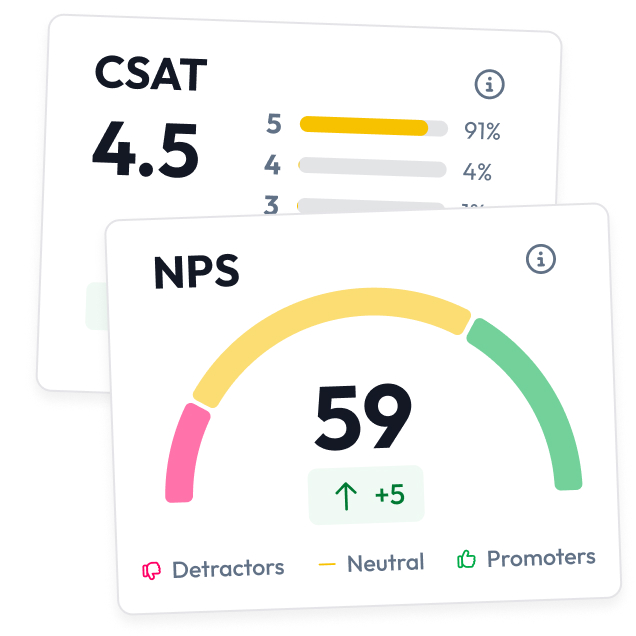
Mixing up the two approaches is a common source of error: sending a relational NPS straight after an isolated incident, or a transactional CSAT several weeks after a purchase, generates data that doesn’t really answer the question being asked.
Also worth reading
Discover our guide to the best indicators to track for measuring customer satisfaction
Discover our guide to the best indicators to track for measuring customer satisfaction
Getting the timing right isn’t enough if customers drop off before completing the survey. A questionnaire sent at the perfect moment but requiring the customer to open a link, wait for a page to load, and then select a rating will lose some of its respondents along the way.
That’s why the format of the survey matters just as much as when it’s sent. To reduce drop-offs, consider using an embedded NPS email: the rating scale appears directly in the body of the email, and the customer selects their score in one click — no need to open the survey first to discover the question. That click then takes them to the survey page to complete their response, but the essential part (understanding the question and forming a view) is already done before they’ve even left their inbox. This format lowers the perceived barrier to responding, particularly for busy respondents who are often the first to ignore a plain link.
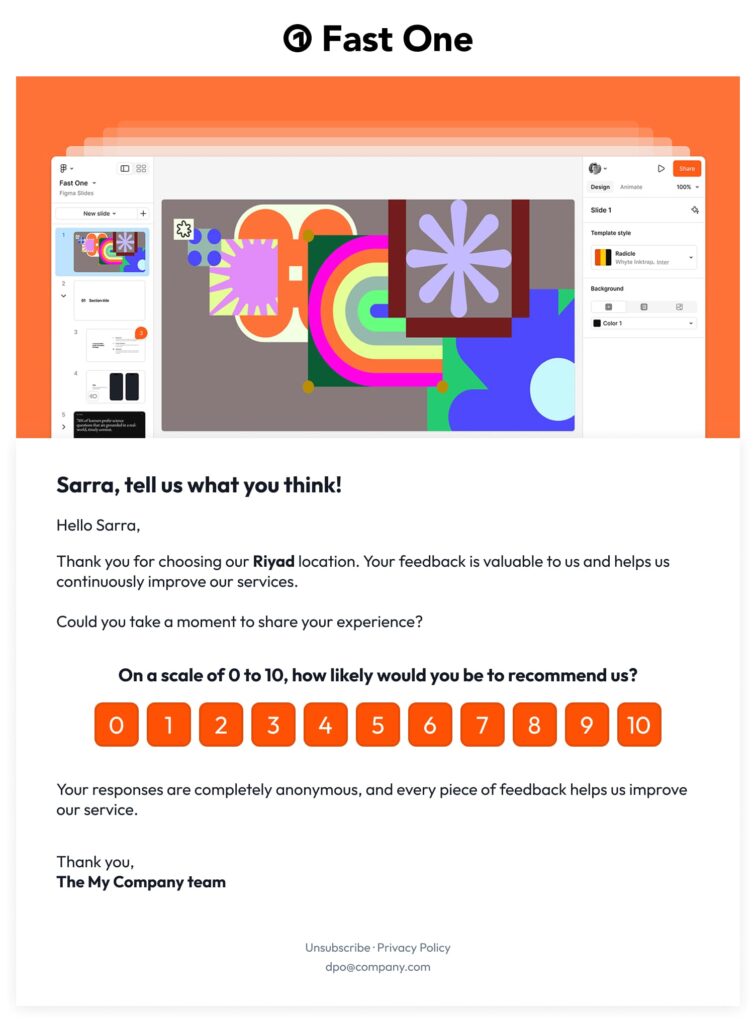
This kind of adjustment doesn’t replace a well-planned send schedule — it complements it. An email sent at the right time, with minimal friction to respond, ticks both boxes that determine a response rate you can actually act on.
Did you know?
You can ask your customers to leave a Google review directly after completing their satisfaction survey. Partoo explains how to request a post-survey review without over-soliciting your customers!
You can ask your customers to leave a Google review directly after completing their satisfaction survey. Partoo explains how to request a post-survey review without over-soliciting your customers!
The ideal time to send a satisfaction survey depends on three elements working together: how fresh the experience is, the right spacing to avoid fatigue, and the nature of the survey (transactional or relational).
Once that schedule is in place, the way the survey is received and completed — in particular how easy it is to engage with the question directly from the email — makes the difference between a decent response rate and one that genuinely lets you manage customer satisfaction.
By Partoo
Use AI to analyse the meaning behind your reviews and improve the customer experience
Download the 2026 Barometer on online presence and e-reputation of businesses and gain practical insights to increase your chances of being cited by AI.
Since 18 September 2026, Google has been displaying Partoo’s Local Pack for many local searches…
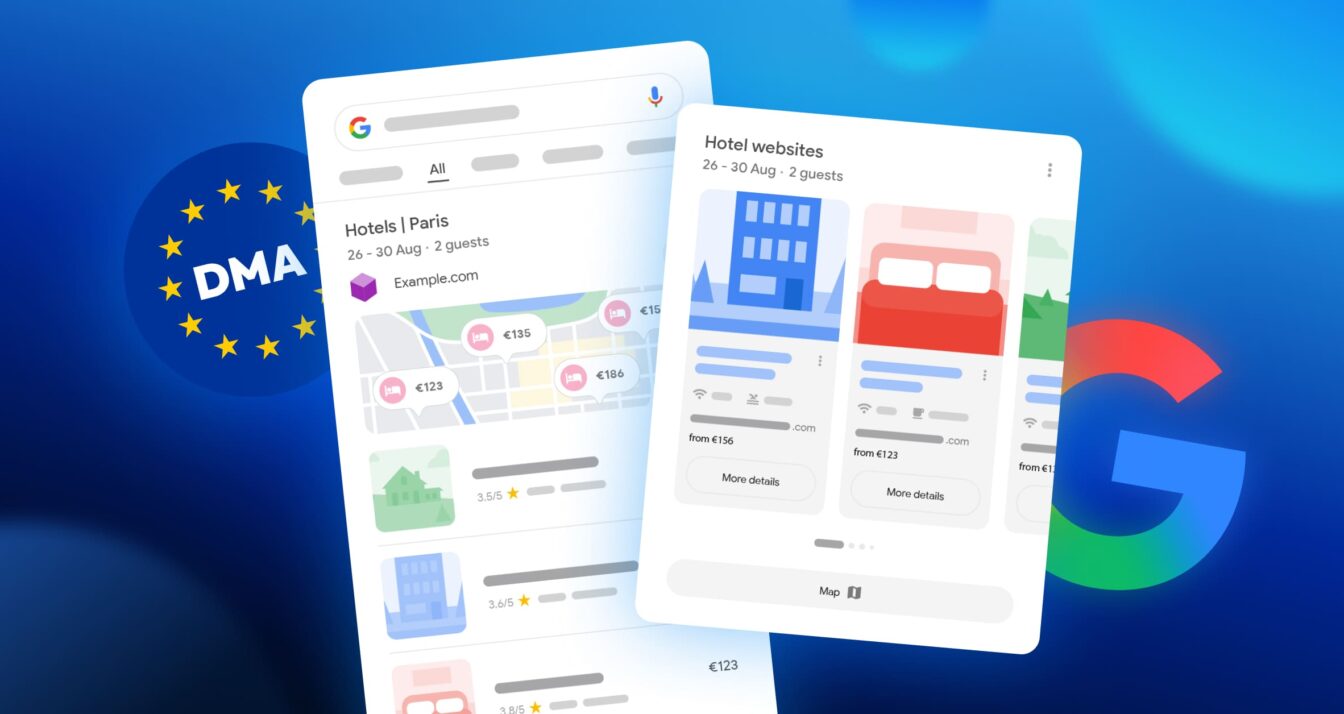
Google updated the appearance of its search results page in Europe on 8 September 2026…

Choosing the right voice of customer platform can transform how you manage CX, provided you…
Receive our best articles and practical guides directly in your inbox every month