


 Help Center
 How to get help
November 16, 2026
ChatGPT launches its Business Hub, but not (yet) outside the US
On 10 November 2026, OpenAI announced the launch of Businesses in ChatGPT. The programme comes…


Discover our all-in-one Voice of Customer offering
 Beatriz Sierra Sanchez
Written by Beatriz Sierra Sanchez
Table of contents
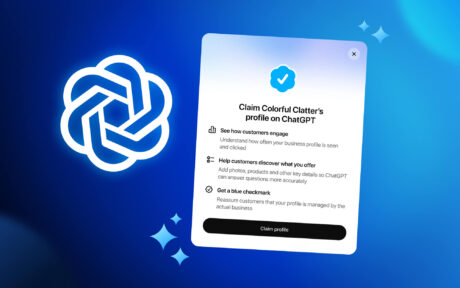
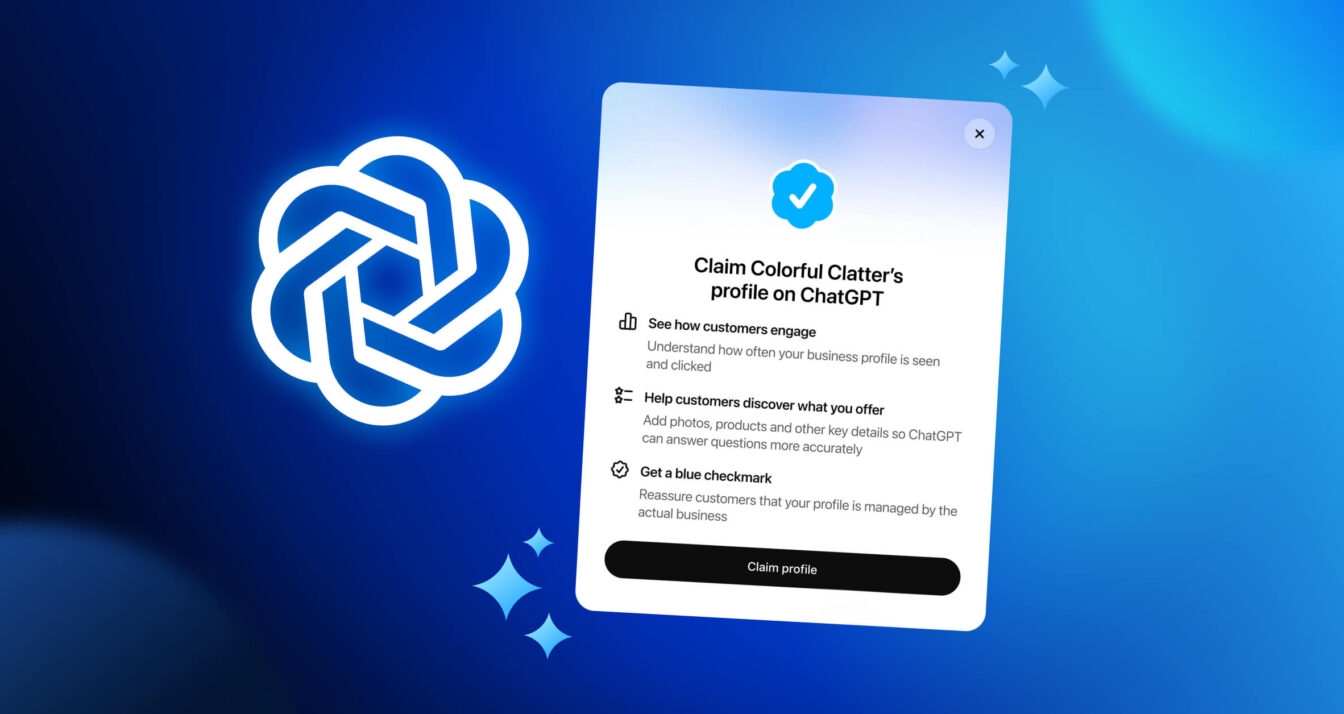
On 10 November 2026, OpenAI announced the launch of Businesses in ChatGPT. The programme comes with a management portal, Business Hub, which lets businesses claim their listing in ChatGPT and manage the information displayed on it.
This new service is currently in beta and, for brick-and-mortar businesses, is only available in the US. According to OpenAI, shops and restaurants can only claim an existing listing in the US. So outlets based outside the US do not have access to it.
OpenAI says it plans to extend the programme to other markets, but no date has been announced. While we can expect it to reach your market one day, nobody yet knows when or in what form.
The principle is the same as with Google Business Profile. A business claims its listing, proves it is authorised to represent it, and then uses a dedicated interface to manage the information ChatGPT displays about it: website, description, category, logo and cover photo. It also has access to statistics, such as the number of times it is mentioned in responses and clicks through to its website.
In practice, the two tools differ in several ways:
You might think a claimed and verified listing would be recommended more often by ChatGPT. It isn’t. Business Hub lets you control what ChatGPT displays. Not how often you’re recommended.
OpenAI is very clear about this: “Claiming lets you manage the information you provide about your business. It doesn’t guarantee increased visibility or give you direct control over ChatGPT’s independent recommendations.”
The information entered in Business Hub is also just one source among many, as OpenAI itself points out.
These other sources are OpenAI’s search partners such as Microsoft, platforms like Yelp, with which OpenAI signed a licensing agreement in July, and the web, crawled by OpenAI’s bot.
So the visibility and reliability of your information come down to sources you can already work on.
First, your website: a Store Locator with up-to-date local pages that are accessible to crawlers and well-structured gives AI tools an official source for each business.
Next, your Google Business Profile listings, which remain the cornerstone of local visibility. Their data feeds AI Overviews and goes far beyond: since October 2025, Google has made Google Maps data on more than 250 million places (addresses, opening hours, ratings) available to third-party AI applications.
Finally, reviews, which also count in AI recommendations.
Business Hub may eventually join these local visibility levers. It won’t replace them.
Business Hub didn’t come out of nowhere. Since the start of the year, ChatGPT has been gradually rolling out local features. In March 2026, users were given the option to share their precise location to get results near them. In August, ChatGPT integrated restaurant bookings with OpenTable, as well as Resy and Yelp in North America.
After users, OpenAI is now turning its attention to businesses. With 1.2 billion users every week, ChatGPT has become yet another gateway to local outlets. OpenAI now wants the information circulating there to be accurate and up to date. Business Hub is its first tool designed specifically for companies, and OpenAI itself describes it as “an early step”.
At Partoo, we keep a close eye on developments in SEO and GEO to give our clients the best possible local visibility, and the rollout of Business Hub is part of that.
By Beatriz Sierra Sanchez
Localization Project Manager
Transform the customer experience across your businesses with AI
Download our free guide and discover how AI is reshaping local search, online reputation, and conversational commerce!
On 10 November 2026, OpenAI announced the launch of Businesses in ChatGPT. The programme comes…
Long reduced to a map dotted with ‘pins’, the store locator has become a strategic…
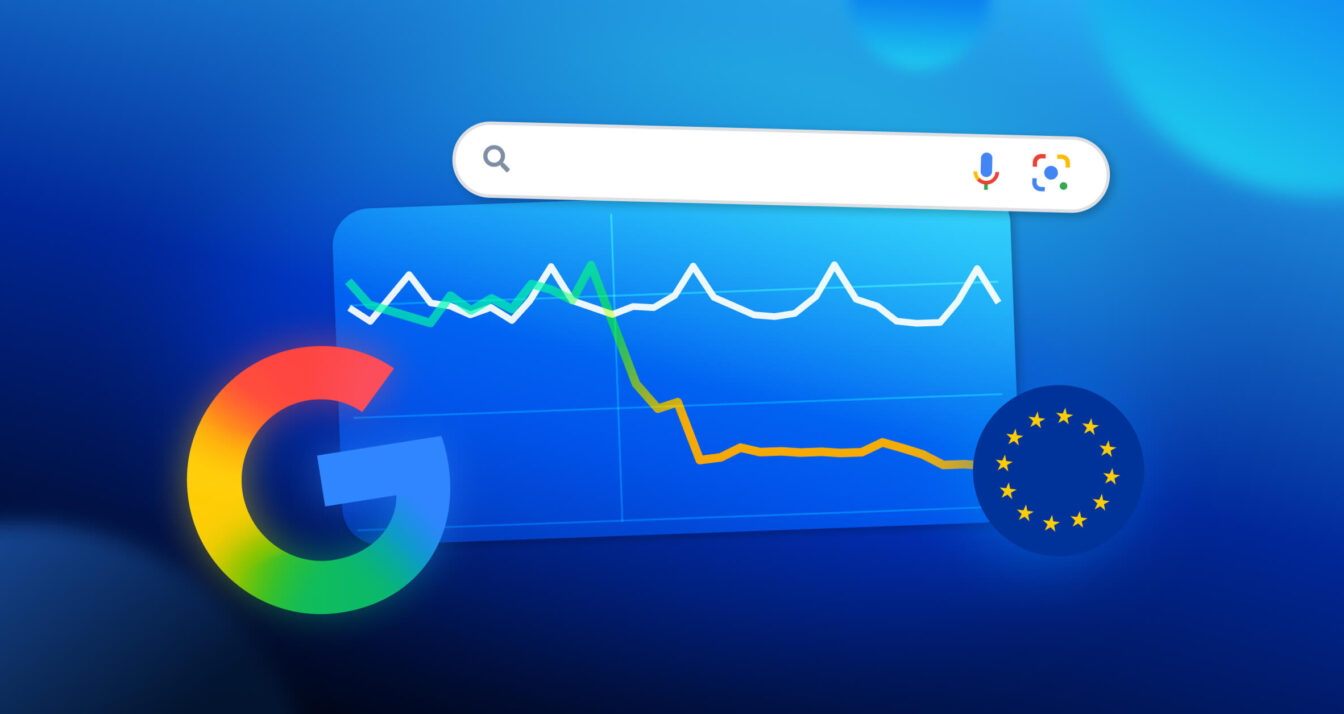
Since late September 2026, Google has been recording up to 80% fewer Search views for…
Receive our best articles and practical guides directly in your inbox every month