


 Help Center
 How to get help




October 22, 2026
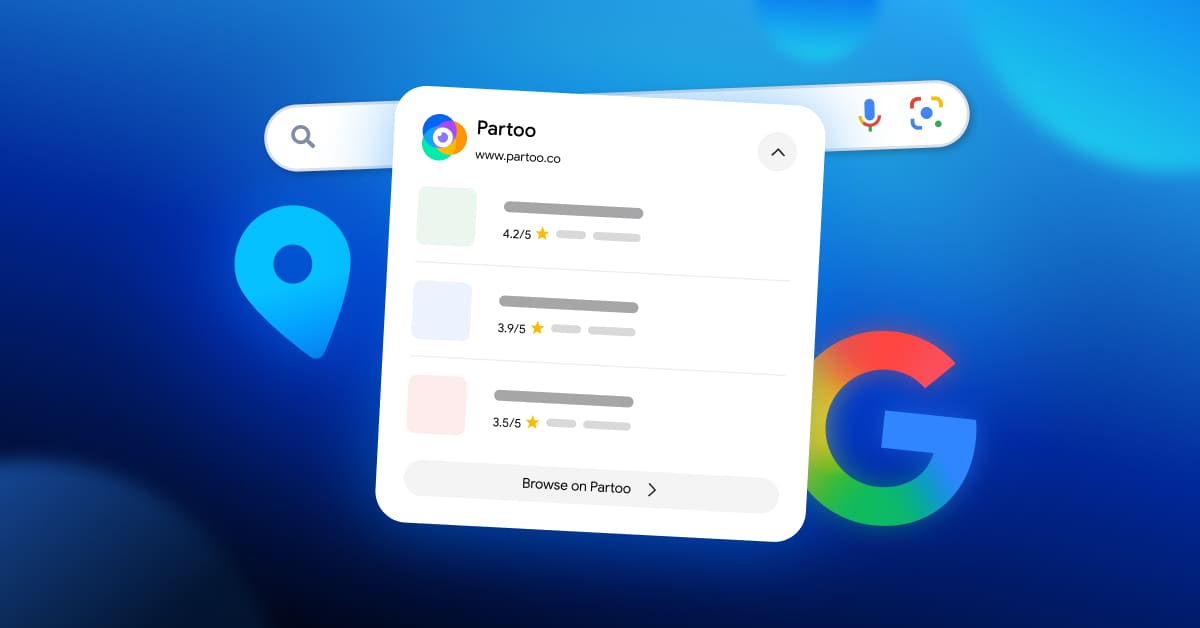
Partoo’s Local Pack now appears in Google search results
Since 18 September 2026, Google has been displaying Partoo’s Local Pack for many local searches…


Powered by Jim

 Written by Beatriz Sierra Sanchez
Table of contents
In 2025, artificial intelligence completely changed the way consumers search for and find businesses. While websites were once the cornerstone of any digital strategy, AI is now in charge: online visibility is no longer about appearing in traditional search engine results, but rather providing information that these GenAI models can understand and relay.
This article will discuss the ways you can bolster your online presence in the age of AI Overviews, GEO, and conversational engines such as ChatGPT and Gemini.
For years, digital strategies were based on a clear three-pronged roadmap:
1. A centralised website to present the offer, capture traffic, and convert potential customers.
2. SEO and SEA to ensure the business appears high up in Google search results.
3. Social networks to build the brand and grow the customer base.
Fast-forward to today, and this traditional strategy has begun to play second fiddle. With the arrival of ChatGPT at the end of 2022, Gemini (Google), Copilot (Microsoft) and Perplexity, internet users have become used to asking these GenAI search engines a question and getting an immediate answer, often without the hassle of clicking on links.
Google has followed this trend with the launch of AI Overviews and AI Mode: AI-generated snippets, displayed at the top of search results, that summarise key information (opening hours, reviews, address, photos) collected from various reliable sources.


This information appears instantly, meaning clicking on links has taken a back seat.
Key figure
According to Whistlerbillboards, the presence of an AI Overview snippet reduces the click-through rate on the top organic link by 34.5%.
According to Whistlerbillboards, the presence of an AI Overview snippet reduces the click-through rate on the top organic link by 34.5%.
Simply put: if your business is not integrated into these new AI-generated responses, it could disappear into the ether.
Websites, however, do still play an important role. They:
But they’re no longer the sole pillar of an online presence strategy. To ensure a solid online presence, you must appear in sources that AI-generated search engines consider reliable: business profile listings, directories, store locators, and so forth.
What is GEO?
While traditional SEO aims to improve your Google ranking, GEO involves optimising your information so it appears in AI-generated responses.
While traditional SEO aims to improve your Google ranking, GEO involves optimising your information so it appears in AI-generated responses.
Unlike SEO, GEO isn’t about appearing high up in search results, but instead sends a “local signal” to AI search engines. Key information (address, opening hours, customer reviews, photos, services) is now the raw material used by AIs to generate their responses.
Bear in mind…
The clearer, more consistent, and more repeated your data is, the more likely it is to be picked up by these AI search engines.
The clearer, more consistent, and more repeated your data is, the more likely it is to be picked up by these AI search engines.
So your competitors are no longer just other websites… all the local data available online is!
Good news: the actionable levers that will optimise your AI search engine data are effective and easy to implement. High-priority tricks for appearing in AI Overviews and conversational engine replies are:
Google profiles are now a major strategic lever. While listings have always been a must if you want to appear in Google Local Packs and classic search results, nowadays, they are the primary source of information used by generative artificial intelligence.
Why? Because they contain structured data that AI can easily read and interpret. Unlike a website, which mixes design, text, and images, a Google listing is more akin to a logical database:
These standardised fields are perfectly suited to search engines that automatically extract information.
So, if AI has to respond to a local search query (“TexMex open tonight in Manchester”, “nearest hairdresser”…), it naturally prefers complete and consistent Google records.
Here are some best practices to optimise your visibility for AI search engines:
The slightest inconsistency (different number on Facebook, address misspelled in a directory) can reduce your visibility.
You should include specific days when you are going to be closed, and if you close for holidays. If an AI search engine finds sources with conflicting opening hours, it may well exclude you from its results.
Disabled access, delivery available, click & collect, free Wi-Fi, payment options… These attributes will enhance your listing and increase your chances of appearing in precise searches.
AI prefers image-rich profiles. Outside, interior, staff, and product photos will boost your business’s credibility.
Don’t just stick to a primary category. Add all the secondary categories that correspond to your business (example: “Mexican restaurant”, but also “tacos”, “tex-mex”, “caterer”).
Companies often underestimate the importance of a store locator. They assume it’s just a humble ‘where’s the nearest place’ tool, when it’s actually a powerful lever to ensure you appear in AI search results.
What is a store locator?
A store locator is a web page that centralises and displays local information about all your establishments (shops, outlets, branches…), [CS2] so that:
A store locator is a web page that centralises and displays local information about all your establishments (shops, outlets, branches…), [CS2] so that:
In other words, a well-designed store locator functions as a public local database with information that AI search engines can instantly collect and include in their responses.
While we’ll see a map, your business’s locations, opening hours, and a “where to find us” button, AI sees JSON code where each field is standardised (address, geo, openingHours, sameAs, priceRange…).

Bear in mind…
If this structured data is missing or incomplete, AI cannot exploit it. It simply assumes your business or a particular branch doesn’t exist. So it’s essential you carefully complete your store locator page if you want it to be picked up by AI search engines.
If this structured data is missing or incomplete, AI cannot exploit it. It simply assumes your business or a particular branch doesn’t exist. So it’s essential you carefully complete your store locator page if you want it to be picked up by AI search engines.
It will centralise all your local information, ensuring consistency between Google, directories, and social networks.
A reliable source of information improves your credibility in the eyes of AI.
It proves that your establishment physically exists, making you a trustworthy source for GenAI search engines.
Google controls Google business listings, whereas you’re in charge of your store locator. You control the data and its structure.
1. Create a page for each establishment, rather than using a single generic page that lists all your outlets. This means each location will be individually referenced and understood by AI.
2. Automatically update your data (via a presence management tool for example).
3. Integrate local customer reviews into each establishment’s page to optimise its qualitative data.
In brief: leveraging AI is vital for local business visibility
In 2025, AI became the online visibility game-changer .You need to think of your local information as an AI-readable database if you want customers to find, choose, and remain loyal to your various branches or establishments.
Traditional websites still pull their weight, but they must now function within a larger ecosystem, where Google profiles, store locators, and data consistency play a decisive role.
The trick to staying visible? Structure, disseminate and continually update your data.
Which is exactly where Partoo’s Jim comes into play as a super-powered AI agent designed to maximise your local online presence.
Jim will save you time and ensure you optimise your GEO-friendly Google profile by automatically identifying secondary categories to add to your listing and suggesting updates to your information.
AI is waiting for you!
Discover Partoo’s latest white paper: “AI for local marketing”, a comprehensive guide to understanding the real impact of AI on :

Localization Project Manager
Download our free guide and discover how AI is reshaping local search, online reputation, and conversational commerce!
Visibility, reputation, customer interactions: the first agentic platform for all your businesses
Since 18 September 2026, Google has been displaying Partoo’s Local Pack for many local searches…
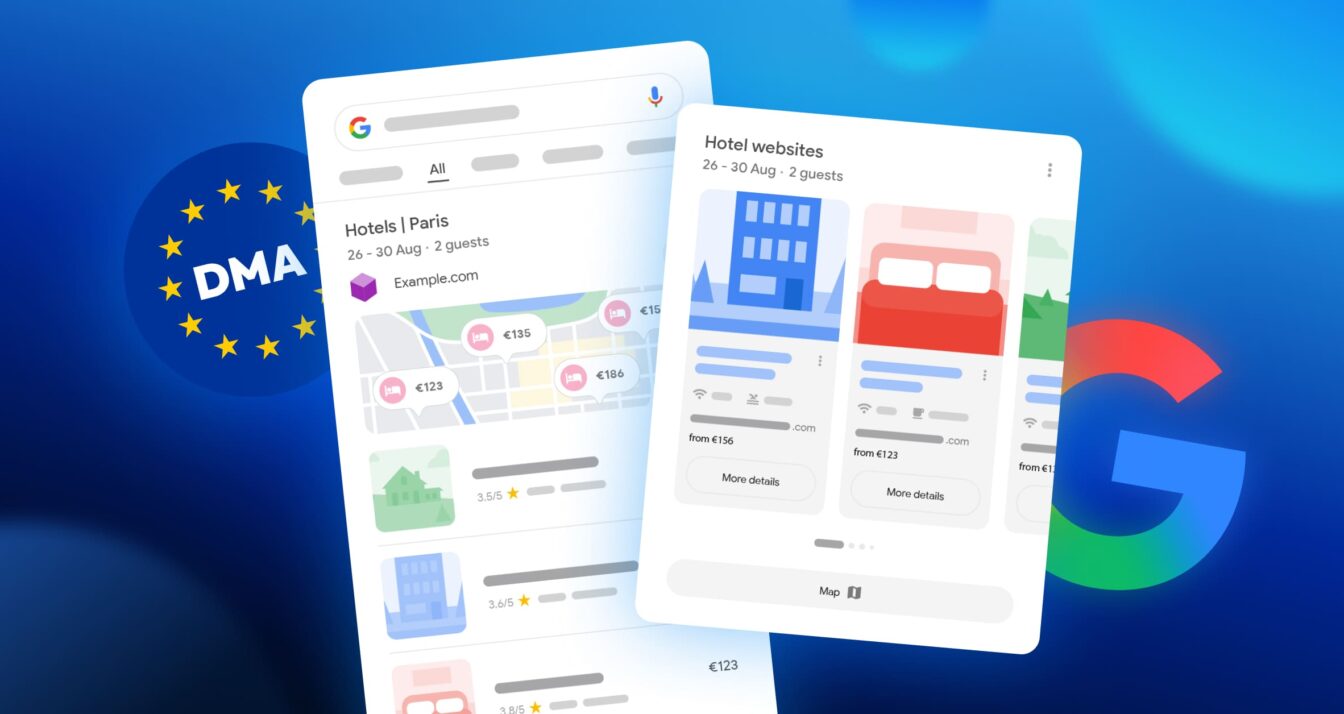
Google updated the appearance of its search results page in Europe on 8 September 2026…
Choosing the right voice of customer platform can transform how you manage CX, provided you…
Receive our best articles and practical guides directly in your inbox every month